

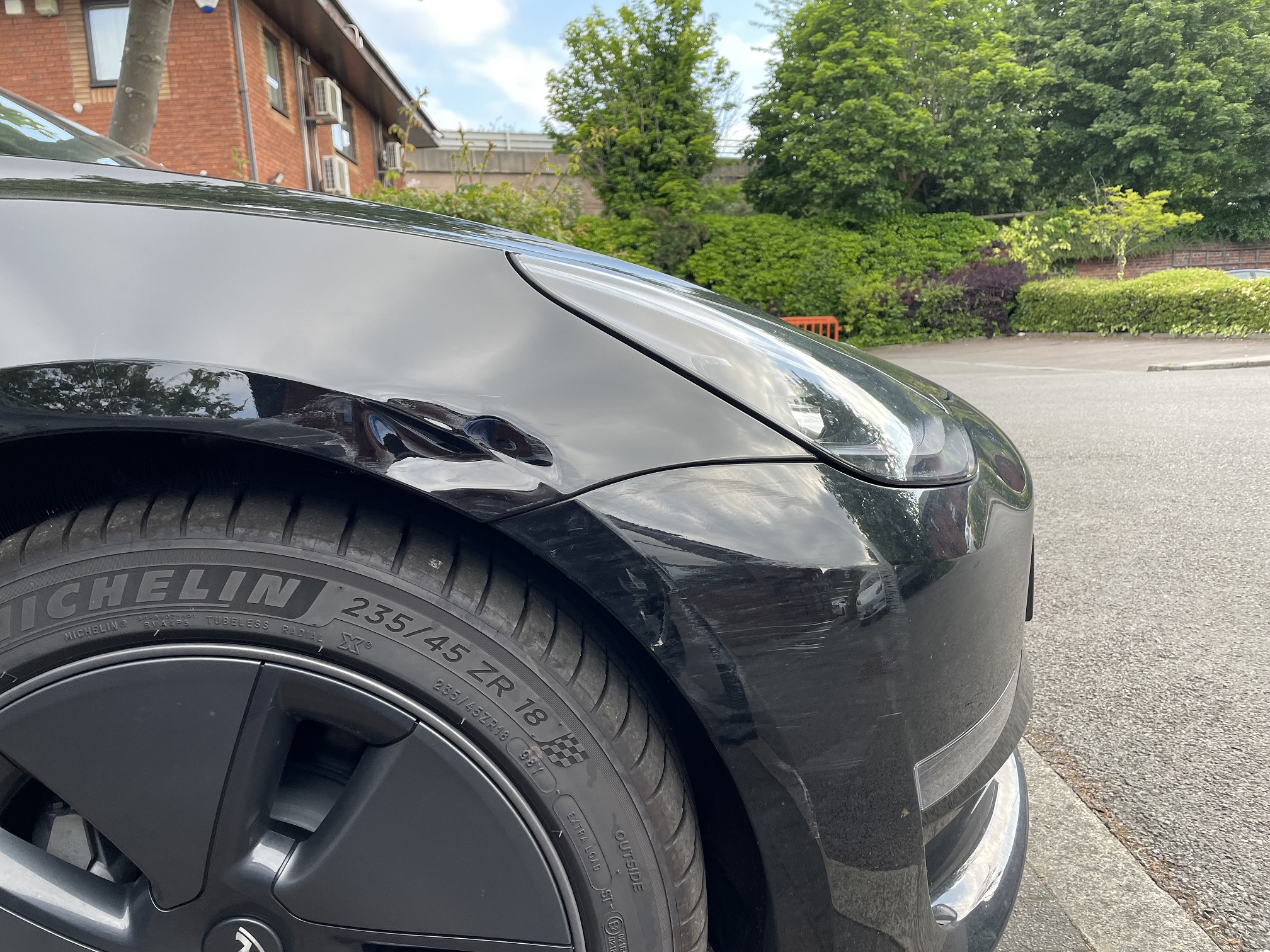
Should You Claim on Insurance for a Dent? The Real Cost of a Claim
In most cases, you should not claim on your insurance for a minor dent. The financial impact of a claim almost always exceeds the cost of a private PDR repair once the full picture is considered: excess payments, premium increases, and the years over which those increases compound. This post walks through the real cost of an insurance claim so you can make an informed decision.
What Happens When You Make a Claim
When you notify your insurer of a dent and make a claim, several things happen: you pay your agreed excess (typically £200-£500 for a standard private car policy), your insurer processes the claim and pays the repairer, and your claims history is updated. This record then influences your premium for the following three to five years, typically increasing it by 15-30% per year depending on the insurer and the nature of the claim.
The True Cost of a Single Claim
Consider a driver with a £250 excess and a current annual premium of £600. After a minor dent claim, their premium increases by 20% – an additional £120 per year. Over three years, that is £360 in additional premiums, plus the £250 excess, giving a total cost of £610 for a dent that a PDR repair would have resolved from £120+VAT. The mathematics of small claims are almost always unfavourable.
No-Claims Bonus: Even Protected NCB Has a Cost
Many drivers with protected no-claims bonus assume that making a claim will not affect their premium because the NCB percentage is preserved. This is not accurate. The NCB percentage is protected, but the base premium to which it is applied can still be adjusted by the insurer following a claim. Protected NCB prevents the percentage discount from reducing, not the overall premium from increasing.
When a Claim Does Make Sense
If the damage is severe – significant structural damage, multiple panels, airbag deployment – an insurance claim is appropriate. The cost of repair in these cases exceeds what any PDR service can address, and the financial case for a claim is much clearer. For minor to moderate dent damage with intact paint, a private PDR repair is almost always the better financial decision.
What to Do Instead of Claiming
Text a photo of the dent to 07824426591 before making any insurance notification. Graham will give you an honest quote for a PDR repair. If the quote is significantly below your excess and the likely premium impact, the decision is clear. Most minor dent repairs at Dent Detail PDR are completed for less than the excess alone.
Get a Free Quote
Text a clear photo of the dent to 07824426591 with your vehicle make and model. Graham will reply the same day with an honest price.
Related guides
How Much Does Paintless Dent Repair Cost in Lancashire? →
Can You Repair Dents on a Lease Car? Everything You Need to Know →
Does Paintless Dent Repair Affect Your Car’s Resale Value? →
Related Questions
Is PDR cheaper than going through insurance?
In almost every case, yes. Using PDR for a small to medium dent avoids the insurance excess you would pay, protects your no-claims bonus, and prevents the premium increase that typically follows a claim. A typical PDR repair from £120+VAT compares very favourably to an excess of £200–£500 and potentially years of higher premiums.
Will my insurance premium go up if I use PDR?
No. PDR is a private repair, meaning no claim is made on your insurance policy. Your no-claims bonus remains intact and your insurer is not notified. Your premium is unaffected. This is one of the significant financial advantages of using PDR rather than claiming through insurance for minor to moderate dent damage.
Do you offer any payment options?
Payment is accepted in cash or by bank transfer on completion of the repair. There is no deposit required for standard bookings. For larger repairs or fleet work involving multiple vehicles, payment terms can be discussed at the time of quoting. All pricing is transparent and agreed in advance — there are no unexpected additions to the final bill.
Recent Comments